Skip to Content

Snoring & Sleep Apnea

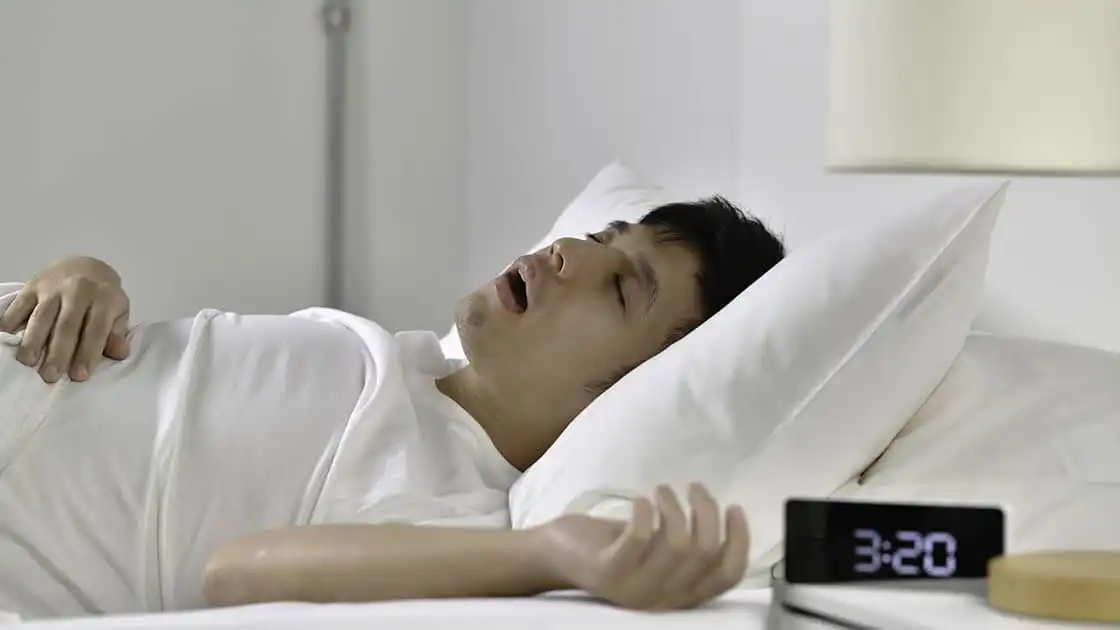
Snoring Patient Sleeping

Obstructive sleep apnea causes repeated pauses in breathing during sleep, pulling you out of deep rest and leaving you tired no matter how many hours you spend in bed. Treatment options range from lifestyle adjustments and custom oral appliances to CPAP therapy or surgical intervention. Snoring, which frequently results from partial airway obstruction, can often be managed with a custom snore guard that holds the airway open throughout the night.

Call Frenchtown Dental Associates at 401-884-7300 or contact us online to schedule and appointment today.

Obstructive Sleep Apnea

Obstructive sleep apnea is a chronic condition that repeatedly interrupts your breathing while you sleep.

Each time breathing pauses or becomes shallow, the body shifts from deep sleep into lighter stages, degrading overall sleep quality even when total time in bed seems adequate. Management options include lifestyle modifications, oral appliances, CPAP devices, and in some cases surgical procedures.

Oral Appliance Therapy (OAT) offers many patients a comfortable alternative to CPAP.

A custom-fitted removable appliance repositions the lower jaw and tongue during sleep to help keep the airway clear. For many people with mild to moderate obstructive sleep apnea, this approach provides meaningful relief without the noise, tubing, and mask associated with a CPAP machine.

For moderate to severe cases, a CPAP device, which delivers a gentle stream of pressurized air through a mask worn over the nose and/or mouth, is often the recommended frontline treatment. In certain situations, surgical options may also be considered. These can include procedures to remove, stiffen, or reposition excess tissue in the throat and mouth, or to advance the lower jaw to widen the airway. Your dentist and physician can work together to determine which path is most appropriate for you.

Snoring Therapy

Snoring is a widespread issue that affects people of all ages and genders.

It occurs when the airway narrows during sleep, causing the soft palate and surrounding throat tissues to vibrate as air passes through. The more constricted the airway becomes, the more pronounced the snoring.

In many cases, snoring responds well to a custom snore guard that holds the jaw in a forward position to maintain an open, unobstructed airway while you rest.

Common contributors to snoring include:

  • Swollen or enlarged tissues in the mouth, nose, or throat, including the tonsils
  • Nasal congestion from colds, allergies, or structural issues
  • Reduced muscle tone in the throat due to aging or low physical activity levels
  • Excess weight that narrows the airway from the outside
  • Medications or substances that relax the muscles of the throat

Explore Your Treatments Options

If snoring or sleep-related breathing issues are affecting your rest and your daily energy, our team can help you find a path forward. Dr. Cariappa has specialized training in airway-focused dental care and will work alongside your physician to determine the approach that fits your situation best.

Frequently Asked Questions About Sleep and Breathing Solutions

How does airway-focused dental care help with chronic snoring and breathing interruptions during sleep?

Uninterrupted breathing is essential for moving through each stage of sleep, from deep restorative phases to REM cycles where dreaming and cognitive recovery take place. When an obstructed airway causes repeated micro-arousals throughout the night, your body never fully completes these cycles, no matter how long you stay in bed. Custom oral appliance therapy works by preventing soft tissue from collapsing into the airway, allowing you to breathe steadily and sleep without constant disruption. The result is more consistent, higher-quality rest that supports your overall health.

What are the long-term health risks of leaving sleep apnea untreated?

Repeated drops in oxygen throughout the night place significant strain on the cardiovascular system over time, contributing to elevated blood pressure and increased risk of heart disease. Ongoing sleep disruption also compounds into a growing sleep deficit that can worsen inflammation, impair metabolism, and affect mood and cognitive function. By working alongside your physician or a sleep medicine specialist, our dental team can help restore consistent airflow so your body gets the uninterrupted rest it needs to function well.

Why do I still feel exhausted even after spending a full night in bed?

Persistent morning grogginess, even after what seems like a full night of sleep, is often a sign that your sleep cycles are being interrupted without you realizing it. When breathing pauses pull you out of deep sleep and REM stages repeatedly, your brain never completes the recovery process it needs. Over time, this pattern produces chronic fatigue that no amount of extra time in bed can fix. A professional evaluation of your nighttime breathing, combined with an oral appliance if appropriate, can help smooth out those disruptions and restore the kind of sleep that actually leaves you feeling rested.

How can lifestyle changes and better sleep habits support healthier breathing at night?

Building a consistent routine around sleep creates a strong foundation for better airway health. Going to bed at the same time each night, dimming lights and powering down screens well before bedtime, and keeping your bedroom cool and quiet all help signal your body that it is time to rest. Regular physical activity, adequate hydration, and avoiding heavy meals close to bedtime also play a role. These habits will not replace clinical treatment for a diagnosed breathing disorder, but they complement oral appliance therapy and help you get the most out of your nighttime hours.

What should I do if I think I may have a sleep-related breathing problem?

Start by paying attention to your symptoms and keeping a brief log for a week or two: note how you feel when you wake up, whether you snore, and how often you feel drowsy during the day. If the pattern suggests a problem, a formal sleep study, which can often be conducted at home, will give your care team the data they need to make an accurate diagnosis. From there, our office can work with you on a treatment plan that may include a custom-fitted oral appliance to keep your airway open so you can achieve the deep, unbroken rest your body requires.

Schedule a Sleep Evaluation

If snoring or disrupted sleep is affecting your quality of life, we can help. Call Frenchtown Dental Associates at 401-884-7300 to schedule an evaluation, or contact us online to request an appointment.

Contact one of our offices today to schedule your appointment!

Frenchtownogotop1a edited final

ADDRESS

2580 South County Trail
East Greenwich, 
RI 
02818

PHONE

Fax: 

401-884-3409
Monday
8am - 6pm
Tuesday
8am - 6pm
Wednesday
8am - 5pm
Thursday
8am - 5pm
Friday
Closed
Saturday
Closed
Sunday
Closed
location
2580 South County Trail
East Greenwich,
RI
02818
860-599-2505
SOCIAL
Accessibility
 
DESIGN AND CONTENT ©
2013-
2026
BY
DENTALFONE